A China mould supplier delivering plastic mold and molding parts alongside aluminum, zinc and magnesium die casting mold tooling — plus machining, surface finish and assembly, for industries from lighting to motor vehicles.
Precision At Scale
Consistent, cost-effective metal parts, cycle after cycle.
Specializing in aluminium, magnesium and zinc die casting, our team combines superior tooling with high-pressure die casting processes to keep every part cost-effective without cutting corners on quality.
Manual process monitoring paired with automation means flaws get caught and corrected early — protecting finish, product integrity and minimizing waste, so return clients get the same high-quality output all year round.
Aluminum · Zinc · Magnesium
Alloys
Quote turnaround
0h
Tooling to assembly
0%
Definition
What Is Aluminium Die Casting?
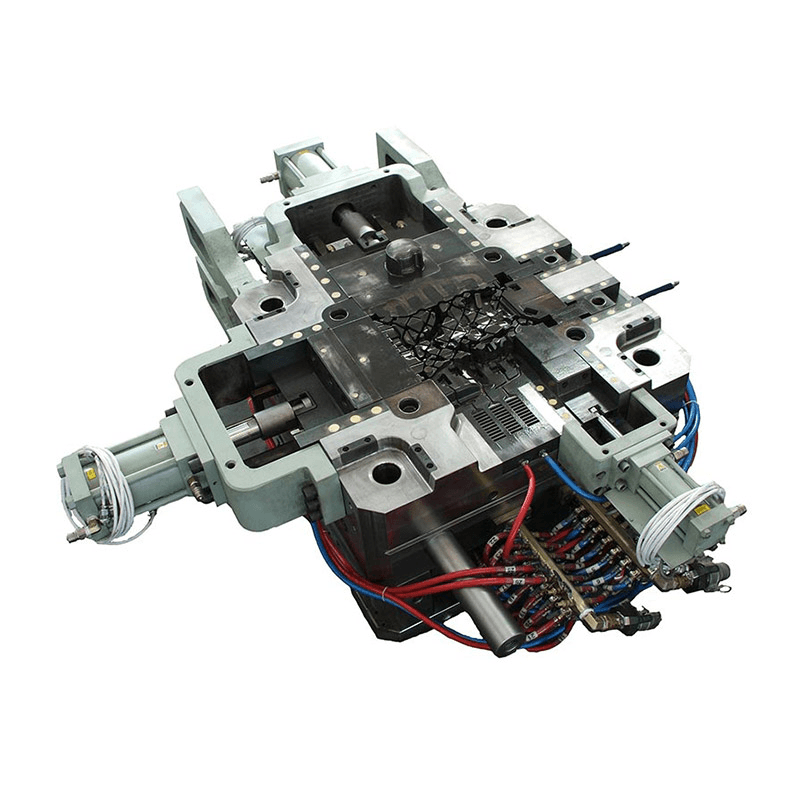
Die casting is a manufacturing process that produces complex aluminum, zinc or magnesium alloy parts using reusable molds known as dies — built from metal, a furnace, a casting machine and the die tooling itself.
Molten aluminum alloy, heated to around 1,400°F, is poured into the die casting mold until it's fully filled. Once the material cools inside the tool, it's removed by the ejection system — often followed by powder coating, anodizing, polishing or grinding to reach a fully functional finished product.
A Brief History
Nearly Two Centuries of Die Casting
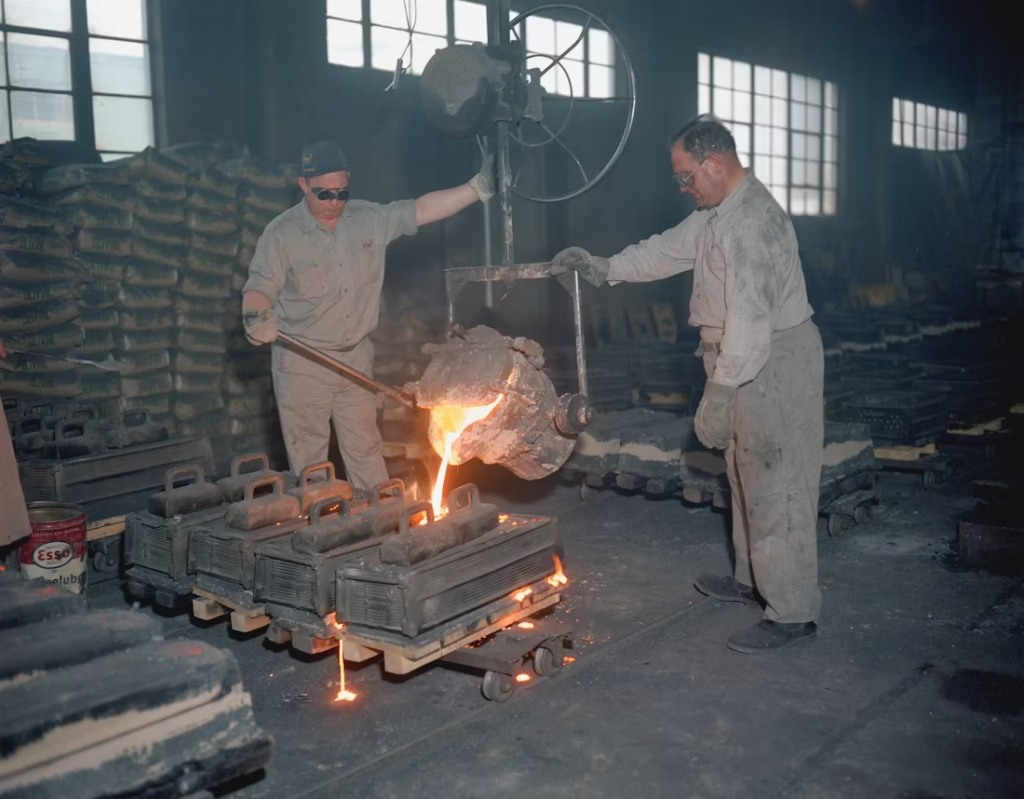
The earliest die casting machine dates back to 1838, first used to manufacture parts for the printing industry. By the early 20th century, foundries were casting with aluminium and zinc alloys, with copper and magnesium following a few decades later.
In the 1960s, General Motors developed its own low-aluminum-alloy die casting process to produce vehicle parts. Since then, the process has only gotten faster and more precise — evolving from limited low-pressure metals like lead and tin into the modern high-pressure die casting used across industries today.
The Advantages
Why manufacturers choose die casting.
High-volume production with the dimensional precision and repeatability few other processes can match.
High Production Rates
75–150 units/hr cold chamber, 300–350 units/hr hot chamber.
Tight Tolerances
±0.075mm up to 25mm size, and ±0.025mm per additional 25mm in zinc.
Thin-Wall Casting
Sections as thin as 0.5mm zinc and 0.8mm aluminum alloy.
Superior Finish
Surface finish to 1250 micro-mm R.M.S. — minimal post-finishing needed.
Fine Detail Reproduction
Complex, precise details reproduced consistently across runs.
Long Die Lifetime
Zinc dies last around 0.2 million cycles; aluminum around 0.1 million.
Economical At Volume
Eliminates extra machining and mold-making steps, saving labor and time.
Less Material Used
Uniform wall thickness means less material than sand casting or CNC.
Things To Consider
Where die casting has its limits.
Like any process, die casting is the right fit for certain projects — we'll help you determine if it's right for yours.
Volume Requirements
High tooling costs mean die casting suits larger runs — typically 5,000–20,000+ pieces per lot.
Size Limits
Not suited to very large castings — maximum size is roughly 10kg in zinc, 30kg in aluminum.
Die Wear
Die life shortens as metal temperature increases over repeated cycles.
Some Porosity
Trapped air can create minor porosity within the casting.
Alloy Range
Best suited to low-melting nonferrous alloys — not all metals apply.
Finish Limitations
Some surface treatments, like anodizing, remain harder to perfect on aluminum die castings.
Industries We Serve
Die casting parts across sectors.
Our aluminum die casting mould making services include manufacturing for these industries and applications.
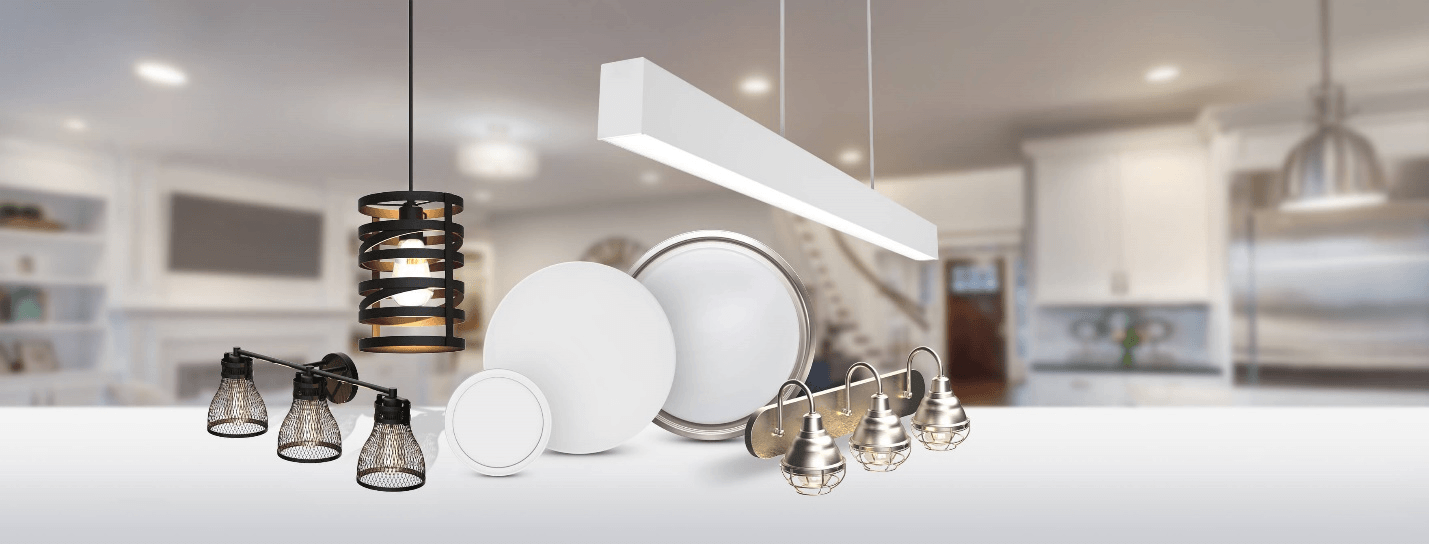
Lighting
Medical
Commercial Equipment
Motor Vehicle
Telecommunications
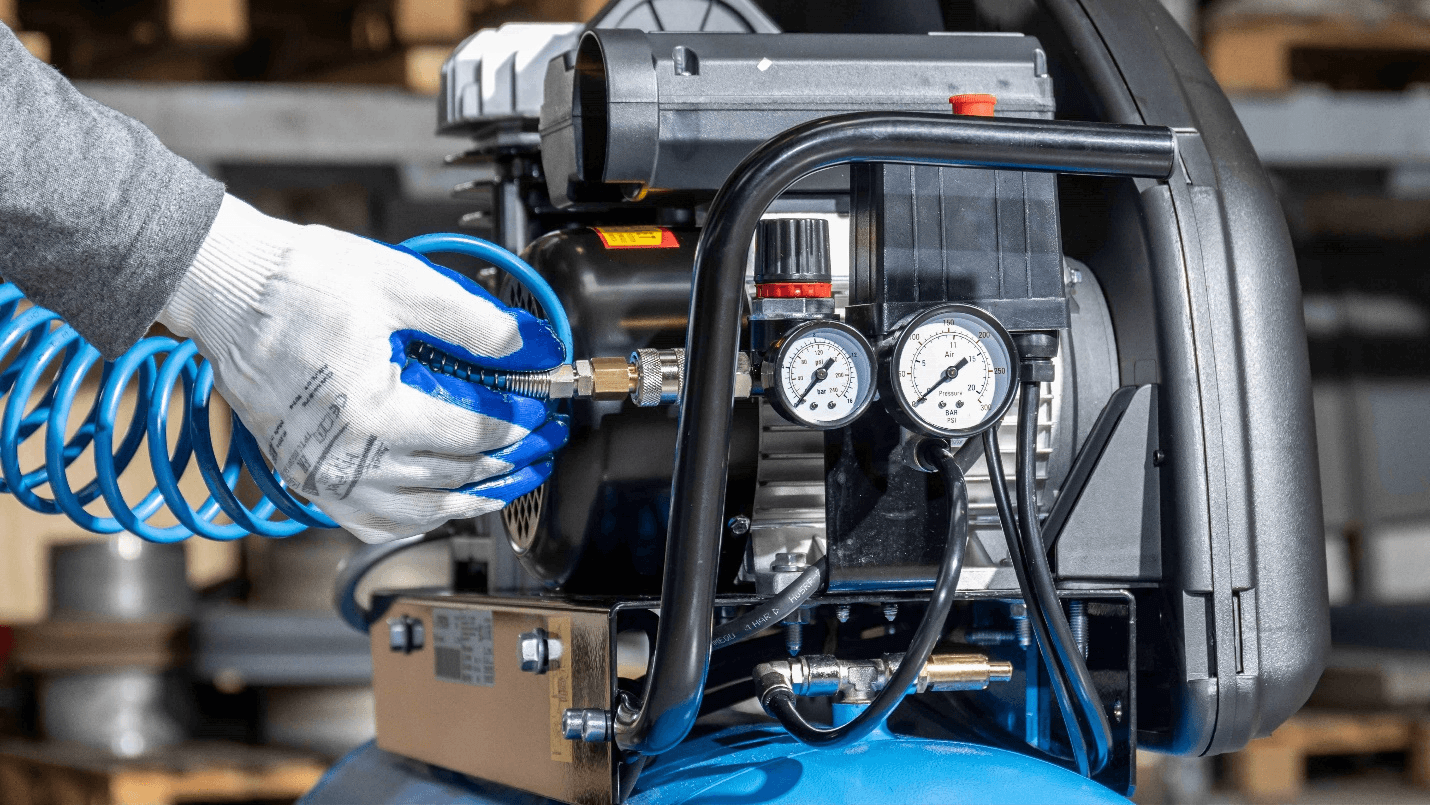
Air Compressors
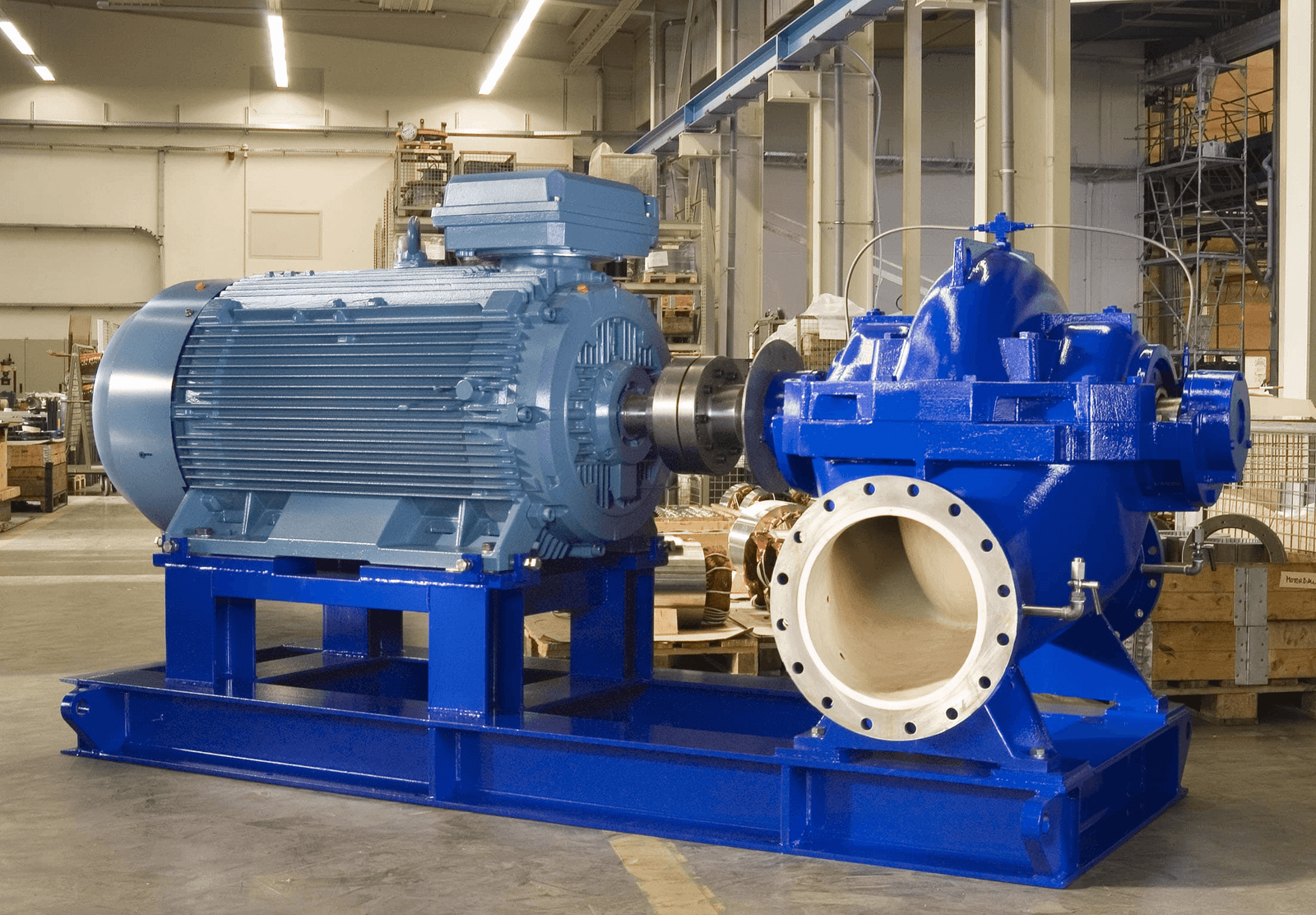
Industrial Pumps
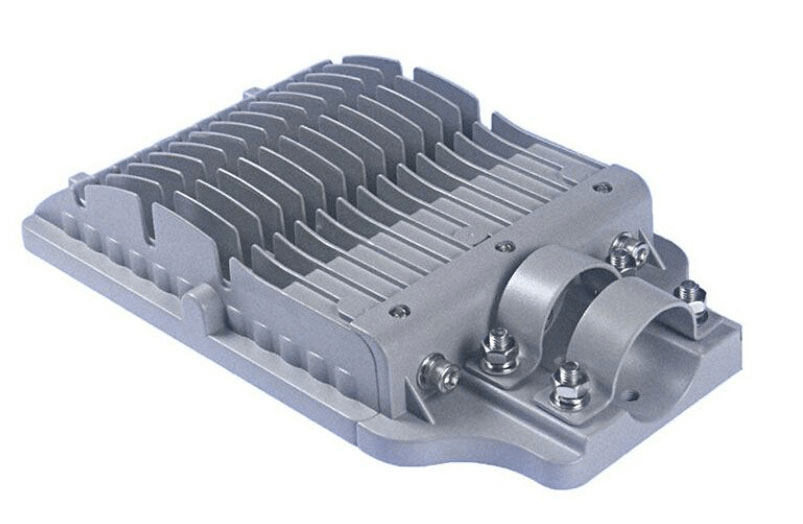
LED Light Housing
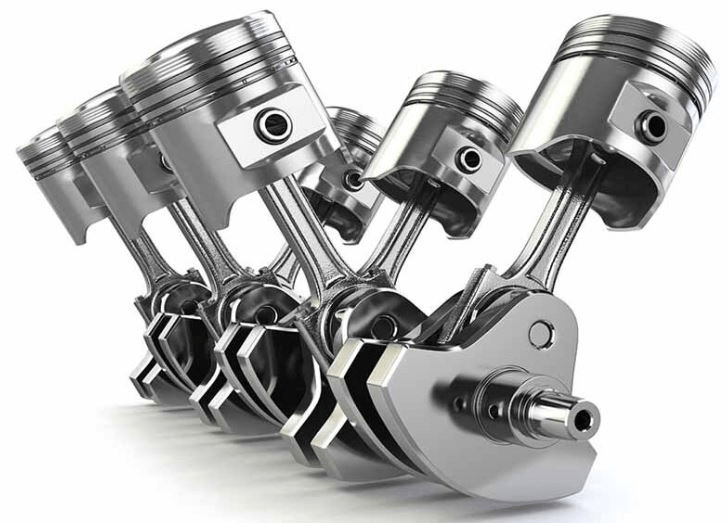
Piston Connecting Rods
Start Your Project
Have a part to manufacture? Let's make it production-ready.
Send your drawings, 3D files or project requirements and our team can review the next step.