
- Home
- /
- Services
- /
- Plastic Injection Mold
- /
- Overmolding
Plastic Injection Molding
Overmolding
Soft over hard, plastic over plastic. Overmolding molds a second material — usually a TPE or TPU — directly over a rigid substrate to add grip, sealing, cushioning or color. One part, two materials, no adhesive and no assembly.
What It Is
A soft-touch surface that never peels off.
Overmolding works like insert molding with a plastic substrate instead of a metal insert. The rigid part is molded first, then placed into a second cavity where a softer resin is molded over it. The two materials bond chemically, or lock together mechanically through holes and undercuts designed into the substrate.
The key to a good overmold is material compatibility — the two resins must be designed to bond, and one must not need a very different cycle time from the other. We confirm the material pair, the bond strength and the gate positions in the DFM report before any tooling starts.
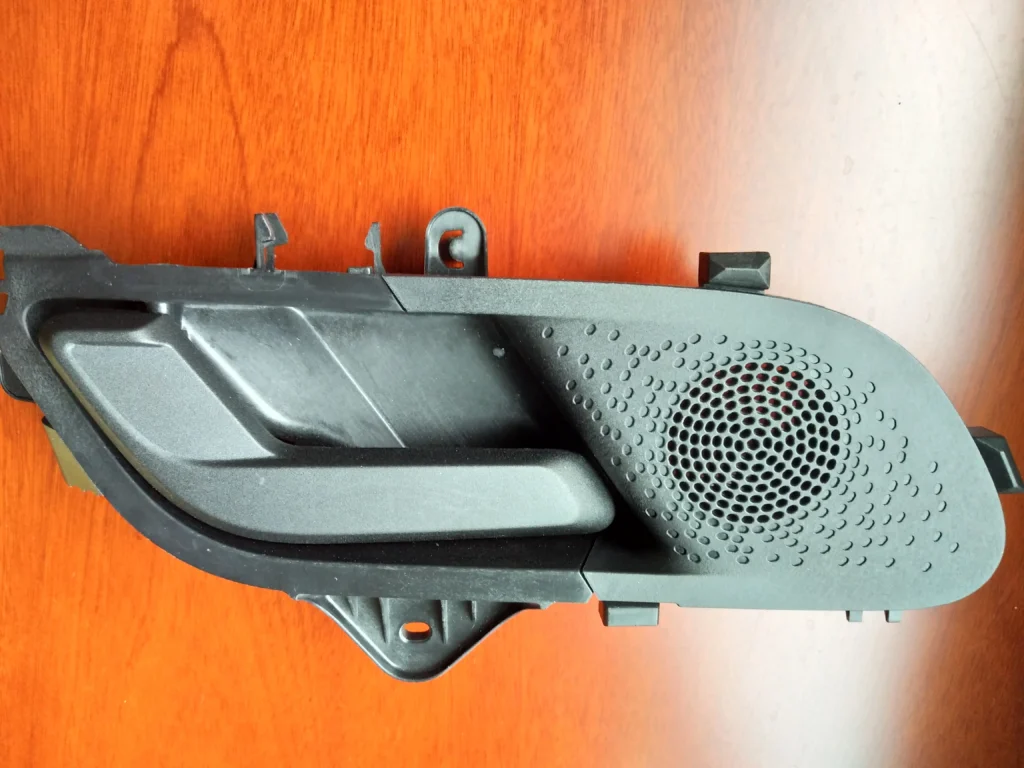
Two Ways To Overmold
Two-Mold Transfer or Two-Shot In One Tool
- Two-mold (pick-and-place) overmolding — the substrate is molded in tool A, then transferred by hand or robot into tool B for the overmold. Lower tooling cost; ideal for lower volumes, pilot runs and large parts.
- Two-shot (2K) overmolding — both materials are molded in one tool on a rotary or core-back 2K press. Highest volume, fastest cycle and the strongest bond because the substrate is still warm. See our 2K / Two-Shot Molding page.
We run parallel 2K injection molding machines and 90-degree double injection machines, so we can offer both routes and recommend the one that fits your volume and budget.
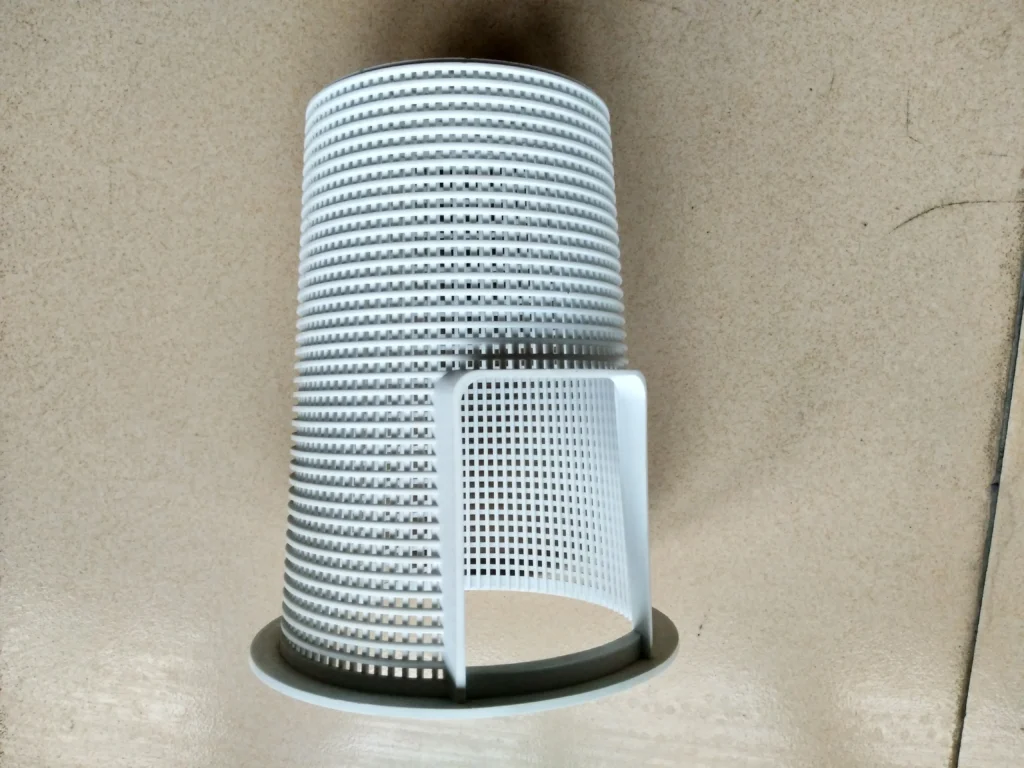
Materials & Applications
Common Pairings and Where They Are Used
- TPE over PP — toothbrushes, kitchen tools, packaging closures
- TPU / TPE over ABS or PC/ABS — power tool grips, remote controls, wearables
- TPE over glass-filled PA — hand tools, automotive handles and knobs
- Silicone or TPE seals over PC — medical device housings, waterproof enclosures
Where the resins do not bond chemically, we design through-holes, undercuts and wrap-around features into the substrate so the overmold is locked on mechanically.
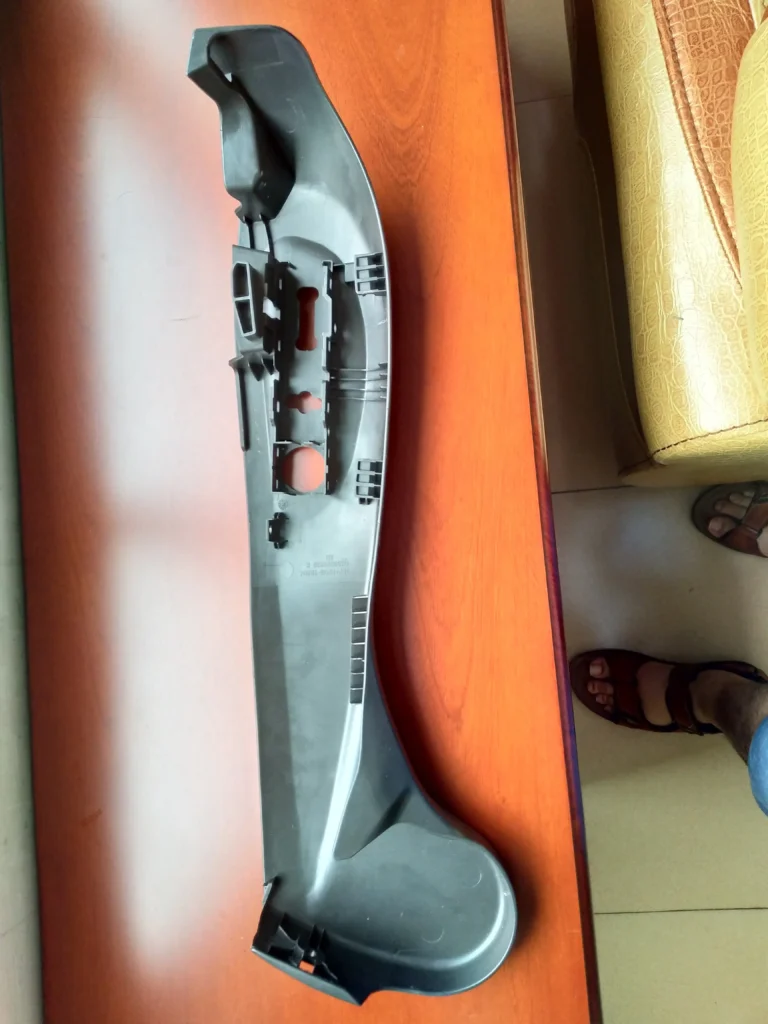
How We Deliver It
Five steps from concept to overmolded part.
01
Material Pairing
Substrate and overmold resins checked for bond and cycle compatibility.
02
DFM & Mold Flow
Gate positions, shut-offs and interlock features confirmed.
03
Tooling
Substrate and overmold tools — or one 2K tool — built in our shop.
04
Trial & Bond Test
T1 samples measured on CMM and peel-tested for adhesion.
05
Production
Two-mold or 2K production with batch QC records.